


Washington Ceremony Sets the Framework
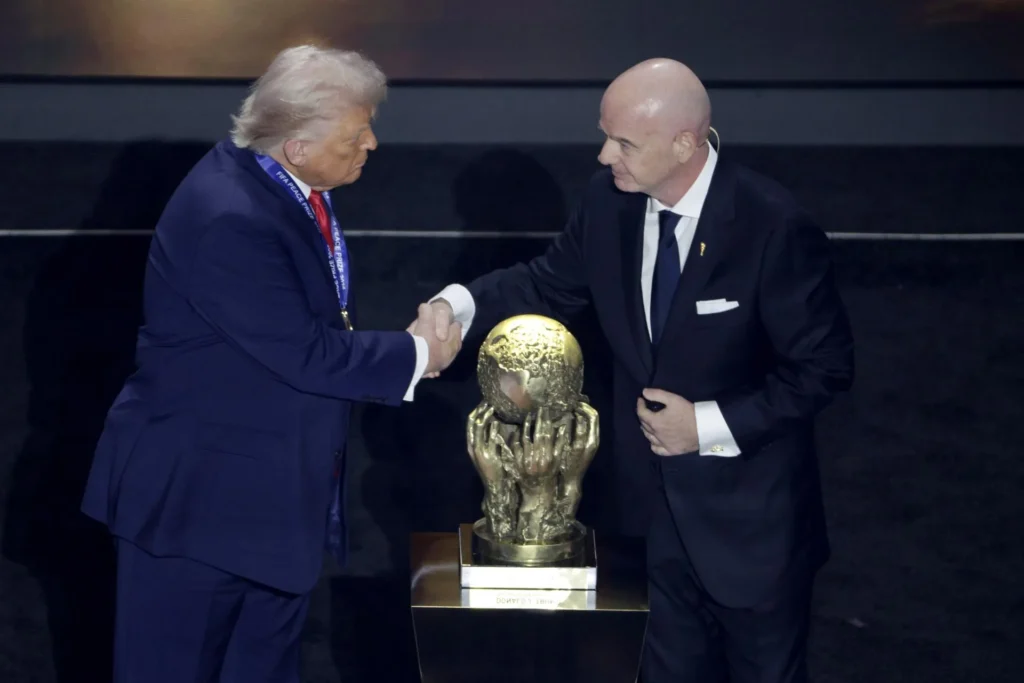
The official draw for the 2026 FIFA World Cup was staged in Washington DC, marking a significant moment in the build-up to the tournament. Coverage across UEFA.com highlighted how the event reflected a broader shift in FIFA’s presentation, with the competition expanding to 48 teams for the first time in history.
Several qualification places remain undecided, yet the draw established the overall structure that will guide preparations for national teams over the coming years.
Expanded Format Changes Tournament Dynamics
According to analysis published on UEFA.com, the move to a 48-team format introduces new strategic considerations. While more nations will gain access to the world’s biggest tournament, traditional contenders must adapt to a longer group phase and more varied opposition.
Squad depth, recovery management, and tactical flexibility are expected to play a greater role than in previous editions.
Tri-Nation Hosting Model Under Focus
The joint hosting arrangement involving the United States, Canada, and Mexico continues to attract attention. UEFA.com noted that logistical coordination across three countries presents unique challenges, from travel demands to climate variation between venues.
FIFA officials emphasised infrastructure readiness and scheduling efficiency during the ceremony, reinforcing the organisational scale behind the 2026 event.
Leadership Emphasises Football’s Global Role
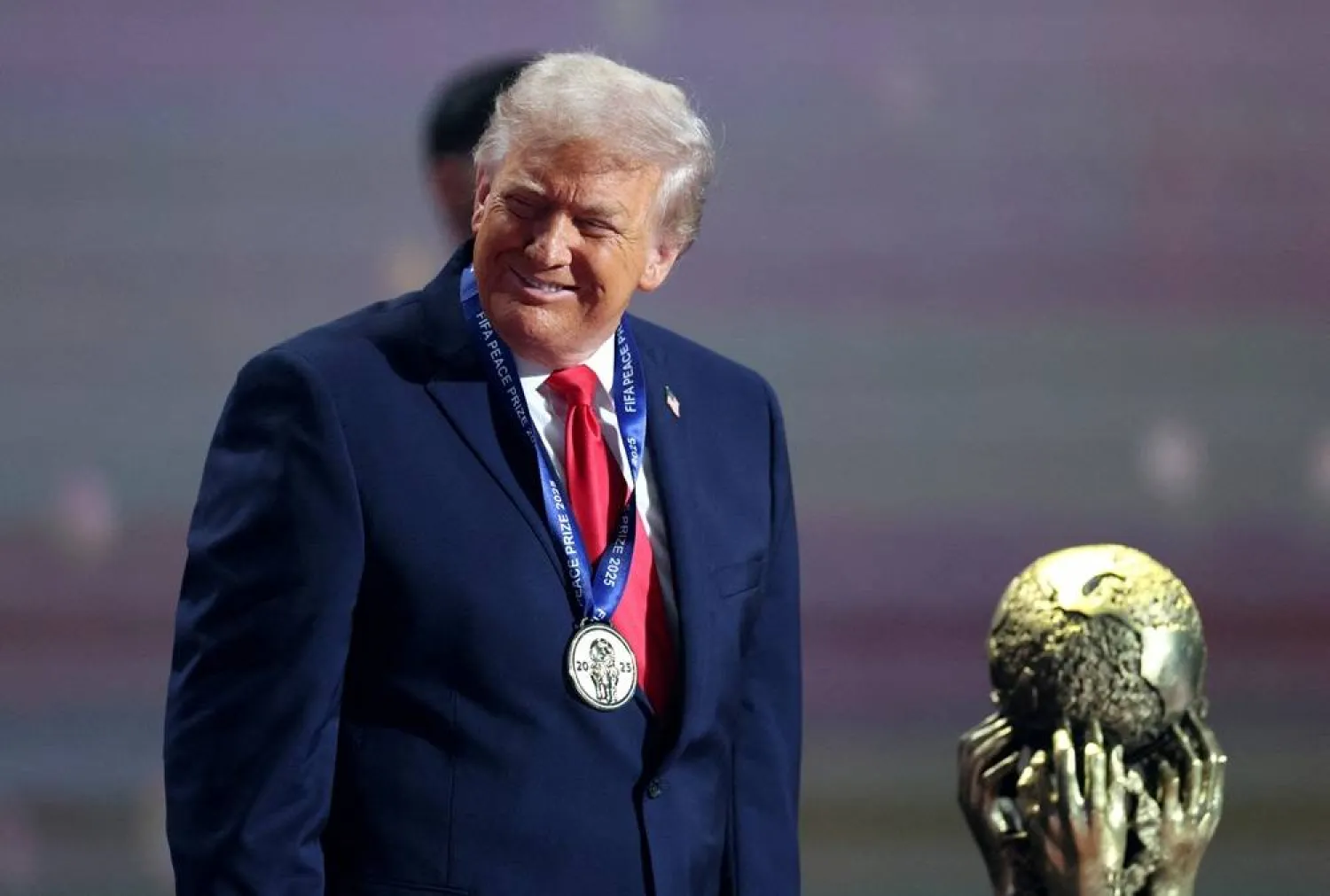
FIFA President Gianni Infantino used the draw to underline football’s position as a unifying global platform. As reported by UEFA.com, the ceremony blended sporting tradition with cultural and diplomatic elements, reflecting the tournament’s growing global influence.

Such messaging aligns with FIFA’s broader ambition to position the World Cup beyond competition alone.
Attention Shifts Toward Sporting Preparation
With the group framework confirmed, focus now turns to qualification outcomes, squad development, and long-term planning. UEFA.com analysis suggests that coaching continuity and player workload management will be decisive factors during the extended build-up period.
As preparations continue, the 2026 World Cup is shaping up to be the most expansive and logistically complex edition ever staged, setting a new benchmark for international football.